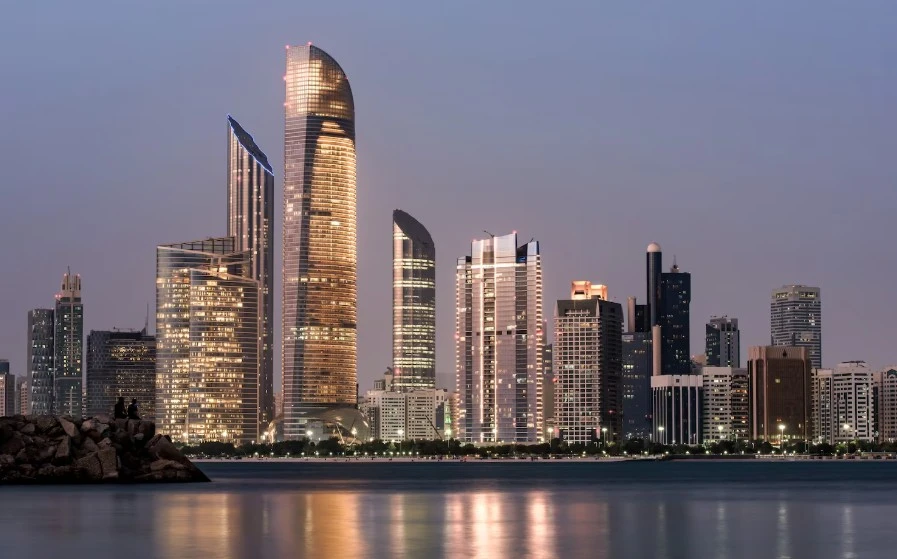
The global financial landscape of 2026 demands strategic diversification. As traditional western and asian capital markets encounter shifting regulatory pressures and fluctuating fiscal policies, capital is steadily migrating toward stable, tax-efficient environments. Investing in Dubai has moved beyond a trend; it is now a foundational strategy for international wealth preservation, high-yield generation, and portfolio security.
Come 2026, Dubai is a completely new ballgame. Not just any property will sit back and watch its value double overnight. It is all about connectivity, the strength of the construction, and the paperwork. If you want to see the money roll in, then you need to get down to the numberscurrent publications in every part of the market, be it residential, office, or physical commodities.
Investing in Dubai Real Estate: Market Reality Check
Real estate is still the heart of wealth building in Dubai. If you’re looking at property investments in this city, the numbers show a strong, steady market now. After those wild price jumps right after 2020, things have cooled off a bit. Property values are rising at about 5% to 8% a year—a much more manageable pace. This shift points to a market that’s settling down and growing up, moving away from those rollercoaster spikes and into a stable, solid phase.
Data from the Dubai Land Department (DLD) confirms that transaction volumes remain exceptionally strong, with premium neighborhoods driven by international migration. Investors are no longer just looking at short-term capital flips; they are prioritizing long-term rental income. Gross rental yields for apartments average between 6.7% and 7%, which remains roughly double the yields found in mature capital cities like London or New York.
Is It Worth Investing in Dubai Property Today?
When choosing whether to invest in Dubai real estate, foreigners will have to determine value based on time frame and structural configuration, and weigh short-term financial benefits versus the practical real-world situation of the particular market.
The Core Benefits of Investing in Dubai Real Estate
- Top-Tier Tax Neutrality: The UAE imposes 0% personal income tax on rental yields and capital gains, allowing you to retain the entirety of your investment returns.
- Long-Term Residency Ties: Investing a minimum of AED 2 million ($545,000) into residential real estate grants you eligibility for a 10-year renewable Golden Visa for you and your dependents.
- Strong Currency Peg: The UAE Dirham (AED) is pegged directly to the US Dollar (USD), offering an excellent hedge against currency depreciation in volatile emerging markets.
The Risks of Investing in Dubai Real Estate
No investment market is entirely free of exposure. Understanding the risks of investing in Dubai real estate is vital to protecting your principal capital:
- Elevated Future Supply: Over 120,000 new residential units are projected for delivery throughout 2026. This influx of inventory could saturate secondary communities, making asset selection based on location and build quality incredibly critical.
- Off-Plan Project Delays: While strict government escrow regulations protect investor funds, off-plan projects can still experience timeline extensions.
- Variable Community Performance: Price performance is highly localized. Areas connected to major infrastructure developments, like the upcoming Metro Blue Line, are outperforming isolated outer developments.
Saturating markets demand data-driven asset selection. Let Emifast perform an independent market analysis to match your capital with low-risk, high-yield opportunities.
Asset Class Breakdown: Houses vs. Hotel Apartments
Choosing where to direct your funds requires matching your liquidity needs and management preferences with the right property type.
Investing in Houses in Dubai
From a capital appreciation perspective, putting your capital into House investment in Dubai (town houses and luxury standalone villas) ensures the highest capital appreciation rates in this cycle (around 11% to 15% p. a. on average). The long-term demand for luxury, high-net worth expatriate families migrating from Europe, Asia etc has created a grave imbalance of supply with a deficit of high-end independent family homes in master-planned communities like Dubai Hills Estate and Palm Jumeirah.
Investing in Hotel Apartments in Dubai
For those hands-off investors, Dubai hotel apartments offer a compelling fully passive option. The units are run by a large international hospitality brand (Address Fairmont Four Seasons).
- The Mechanism: The hotel handles guest acquisition, maintenance, and daily operations, distributing a share of the pool’s revenue to owners.
- The Caveat: While occupancy rates remain high due to Dubai’s elite tourism standing, management fees are higher than standard residential property management, which can trim your net yields during off-peak tourist seasons.
Alternative Wealth Hedges: Investing in Gold in Dubai
True diversification often requires looking outside of real estate. Dubai’s reputation as the “City of Gold” is backed by world-class regulatory oversight and competitive pricing infrastructure.
If you are investing in gold in dubai, you are making use of one of the world’s most transparent bullion markets. The Dubai Central Laboratory watches over the market with rigid hallmark standards, guaranteeing the highest degree of purity authentication for both institutional and retail consumers.
- The Tax Advantage: In accordance with UAE fiscal laws, investment-grade physical gold (purity of 99% or higher in the form of bars or coins) is subject to 0% VAT under the Reverse Charge Mechanism. This makes physical bullion procurement significantly cheaper in Dubai than in jurisdictions that tax precious metal acquisitions.
Process for Secure Real Estate Acquisition
Deploying your capital into the local property market follows a tightly regulated, digital-first administrative workflow:
- Isolate Your Investment Strategy: Define your primary goal—whether you seek maximum immediate cash-flow yield (apartments/hotel units) or long-term capital growth (independent villas).
- Conduct Micro-Market Location Audits: Focus exclusively on areas displaying strong infrastructure metrics, such as proximity to operating Metro lines, established schools, and commercial hubs.
- Execute the Memorandum of Understanding (Form F): Once an asset is chosen, sign the official DLD Form F contract, which outlines the final sale price, condition, and completion timeline.
- Clear the No Objection Certificate (NOC): The developer of the building issues a formal NOC confirming that the seller has no outstanding maintenance fees, clearing the property for transfer.
- Finalize the Transfer at DLD: Present your managers’ checks for the purchase price, along with the mandatory 4% DLD transfer fee, to formally receive your digital title deed.
Frequently Asked Questions (FAQs)
Do I have to pay any taxes on my rental income in Dubai?
No. Dubai does not levy any personal income tax on rental returns or capital gains. If you own the property as an individual investor, the net rent collected is entirely yours to keep or repatriate globally.
Can foreigners purchase freehold property anywhere in Dubai?
Foreign buyers can purchase 100% freehold property within designated investment zones, which cover almost all major master-planned communities in Dubai, including Downtown, Dubai Marina, Jumeirah, and Dubai Hills.
What are the hidden costs of owning property in Dubai?
Beyond the purchase price, you must budget for a 4% DLD transfer fee, a 2% real estate agency commission, and annual service charges (maintenance fees paid to the building’s management) based on the square footage of the property.